
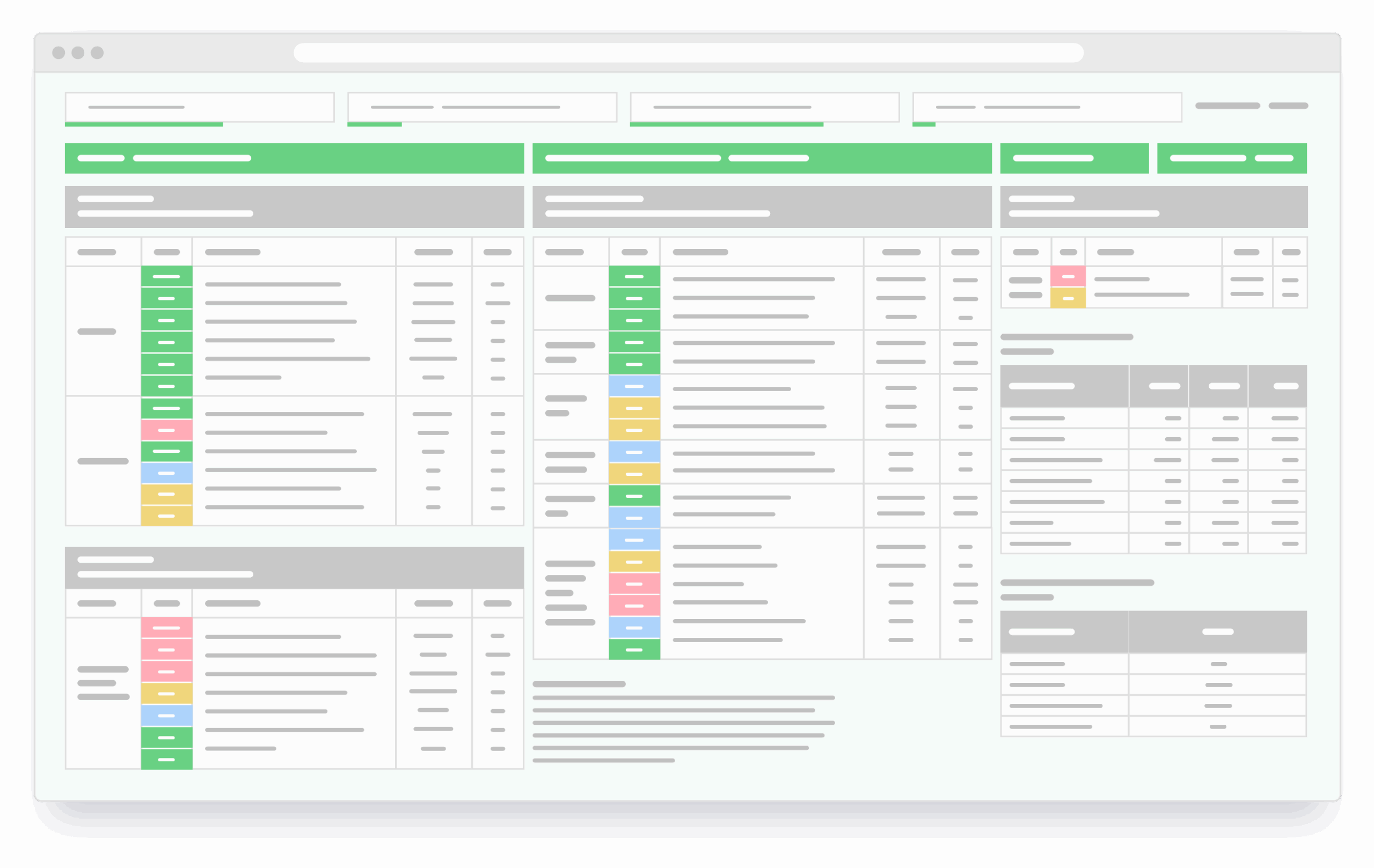
PES Markets helps colleges and universities align academic programs with student demand and local workforce needs. It covers more than 1,500 academic programs and provides the best available information on student demand, competition, jobs, wages, and skills to support data-informed program decisions. Unlike traditional labor market tools, PES Markets connects academic programs to the careers graduates actually pursue, by degree level. Institutions can identify opportunities for growth, evaluate regional workforce demand, and assess hundreds of programs in minutes or explore a single program in detail.
Streamlined Program Evaluation
Access over 40 essential metrics, including student demand, employment opportunities, and competitive intensity.
Customized Data Sets
Tailor market definitions to align with your institutional priorities and identify opportunities to start, stop, or grow programs.
Comprehensive Reporting and Text Summaries
Pull a customized AI text report summarizing key metrics by program - in minutes. Drill down for detailed data analysis, export data to Excel, and download visualizations in PNG format.
Unparalleled Data
Gain confidence in your data with our one-of-a-kind crosswalks and commitment to data integrity.
- Enables data-informed decision-making
- Involves institutional leaders, relevant deans, faculty, and functional managers
- Includes large-group discussion and small breakout groups
- Builds consensus among key stakeholders
- Accelerates implementation by months or years

PES Markets FAQ
How does PES Markets help colleges identify new academic programs with high growth potential?
PES Markets analyzes over 40 essential metrics, including student demand, competitive intensity, and employer needs. By scoring over 1,500 programs using IPEDS data and real-time job postings, it allows institutions to move beyond “gut feelings” and use a data-informed approach to identify programs that will drive enrollment and maximize ROI.
Can academic program evaluation software predict future enrollment for new degree offerings?
Yes. Gray DI’s PES Markets features a unique machine-learning model designed specifically to predict program size. Unlike static historical data, this tool evaluates current market signals, like Google search volume and local job growth, to provide a reliable forecast of potential enrollment for both new and existing academic programs.
What is the best way to align academic portfolios with labor market demand and student needs?
Effective alignment requires a “Program Evaluation System” (PES) that merges external market data with internal economics. PES Markets provides data on student demand, wages, and the specific skills employers are seeking, while our Academic Management Dashboards track KPIs across your portfolio. This ensures your institution starts, stops, or grows programs based on objective evidence.
How can higher education leaders use data to build faculty consensus during program prioritization?
Data is most effective when it informs, not drives, decisions. Gray DI facilitates Program Portfolio Workshops that bring together deans, faculty, and administrators to review PES data in a transparent, collaborative environment. This inclusive process utilizes a common vocabulary to foster shared governance and consensus on difficult “start/stop” decisions.
Does PES Markets account for the location of online students when evaluating competitive intensity?
Yes. A common flaw in standard IPEDS data is that online students are often attributed to an institution’s headquarters. PES Markets corrects this by reporting students where they actually live, giving you a far more accurate picture of the competitive landscape and local market demand for your programs.
What metrics should be included in a data-informed academic program evaluation?
A comprehensive evaluation should include four pillars: Market Demand (student and employer interest), Economics (instructional costs and margins), Academic Quality (retention and student outcomes), and Mission Alignment. Gray DI’s PES platform integrates all four, providing a one-page summary for every program in your portfolio.
How can PES software help with accreditation and continuous program improvement?
PES Academic Management Dashboards provide a centralized “KPI snapshot” for every program. By tracking progress against faculty-drafted objectives and tasks, institutions can provide the documented evidence of continuous improvement and data-informed decision-making required by regional and programmatic accreditors.
Which tool helps colleges align career-focused programs with local workforce needs?
Gray Decision Intelligence’s PES Markets helps colleges and universities align academic programs with local and regional workforce needs. The platform connects student demand, employer job postings, wages, skills, and employment trends with more than 1,500 academic programs.
Unlike tools that focus primarily on labor market demand, PES Markets also considers student interest and competition, helping institutions evaluate whether career-focused degrees and certificates offer opportunities for enrollment growth and meaningful employment outcomes.
Institutions can analyze specific geographic markets to identify promising programs, evaluate existing offerings, and make data-informed decisions about where to invest.