

Mechatronics Follows Trends in Automation

March 18, 2021

Coined in the late sixties, the term “mechatronics” was simply a combination of the words mechanics and electronics. It reflected the integration of electrical systems and computing into complicated machinery. Fifty years later, the term is used more broadly and encompasses a wide range of disciplines, including automation and robotics. As a multidisciplinary field of study, students enrolled in mechatronics programs study mechanical and electrical engineering, machine learning, coding, and more. This multifaceted education can make those with a mechatronics background particularly appealing to employers from a variety of industries. 

Job Postings in Mechatronics by Company
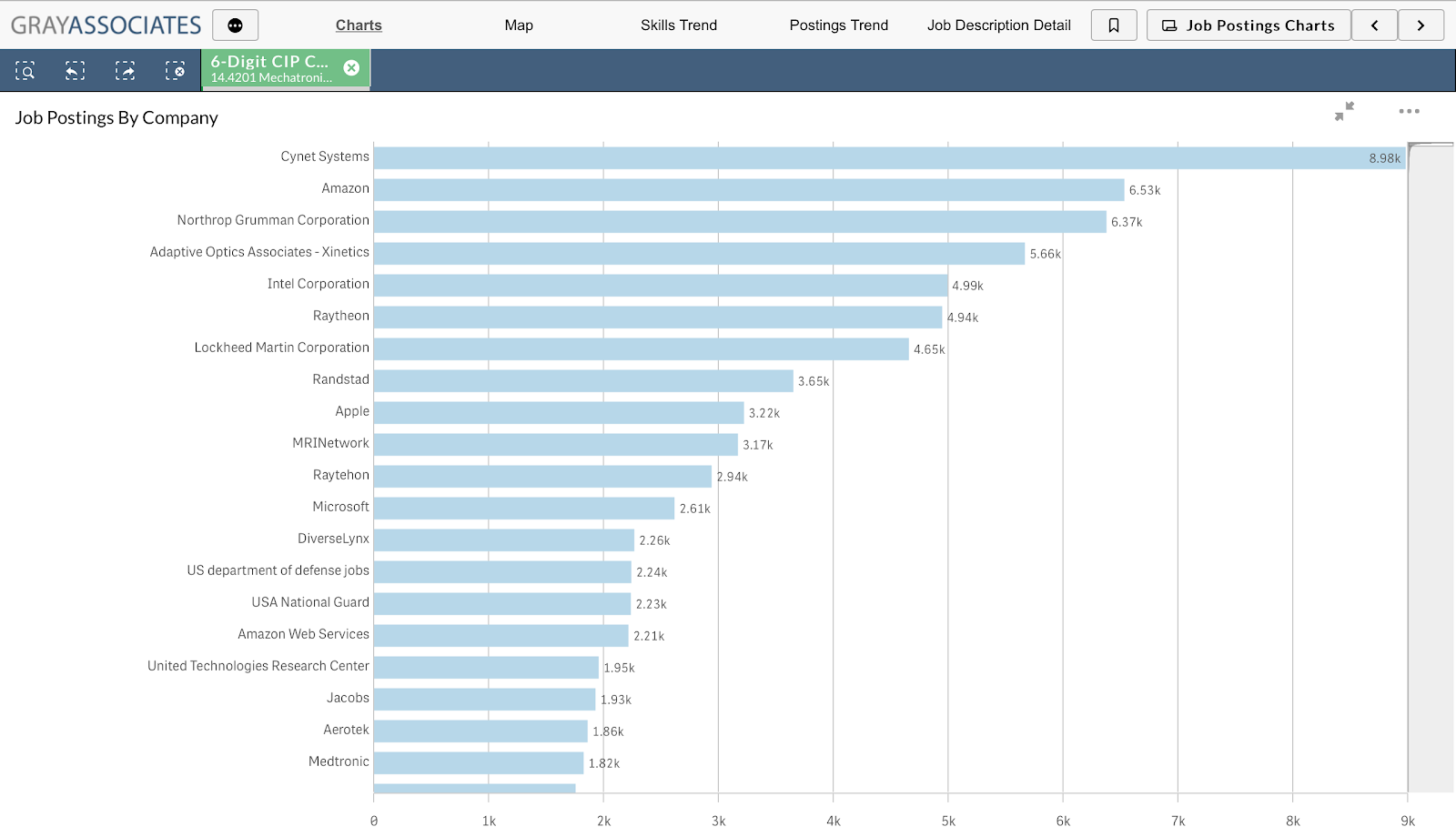
In the chart above, we can see that mechatronics engineers are sought after in everything from E-commerce (Amazon), to aerospace (Northrop Grumman), and big tech (Apple, Microsoft) among others. 

A 2019 Oxford Economics report predicts that robots and automation will replace 20 million manufacturing jobs globally by the year 2030. While this is obviously not good news for factory workers, there are growing opportunities for the people who develop, install, and maintain these robotic systems. 

Gray Associates

Gray Associates, Inc. provides the best available data, software, and facilitated processes to help higher education institutions make high-stakes decisions regarding academic programs, pricing, and locations.

Related Posts
Subscribe to Our Blog

Don’t miss our latest research and insights

Related Posts

Gray Data

Is It Just Me, or is AI Taking Over the Course Catalog?

AI is reshaping course catalogs at a rapid pace, with program announcements up 40% in just six months. New offerings span certificates, degrees, and flexible formats across every level. Explore how institutions are evolving to meet shifting student and workforce demand

Read More
Gray Data

Undergraduate Growth vs. Graduate Collapse

International enrollment is changing in ways that few expected, with undergraduate interest staying strong while graduate demand slips faster than anticipated. Early signals show sharp drops in global engagement and surprising shifts in program preferences. Explore what is driving this turn and how it may shape institutional priorities in the year ahead.

Read More
Gray Data

Addressing the Primary Care Gap: How Higher Ed Can Lead with PA Programs

A growing physician shortage is reshaping the future of healthcare and higher education. As demand for primary care rises, Physician Assistant (PA) programs are stepping in, offering a faster, more flexible path to the workforce. Explore how PA programs are becoming a key growth opportunity for colleges and a vital solution for U.S. healthcare.

Read More